Key Points
- Two teenagers were rescued without injury after becoming stranded on top of their capsized boat near the Sanibel Causeway along Florida’s Gulf Coast on a Saturday morning.
- The rescue was executed by the Lee County Sheriff’s Office (LCSO) Marine Unit amid worsening weather conditions characterised by cold temperatures and high winds.
- Following the incident, the Lee County Sheriff’s Office issued public safety advisories urging local boaters to exercise heightened caution, check marine forecasts, wear life jackets, and monitor changing weather patterns.
- Law enforcement officials noted that incoming cold fronts and windy conditions create larger chop and waves that increase the risk of vessels taking on water and capsizing.
- The successful operation highlights the rapid response capabilities of marine law enforcement units during seasonal weather shifts along southwest Florida’s coastal waterways.
Sanibel (Florida report daily ) November 17, 2026 – Two teenagers were safely rescued without injury after their boat capsized and left them stranded near the Sanibel Causeway on a Saturday morning, according to the Lee County Sheriff’s Office. The rescue, conducted by the LCSO Marine Unit, occurred as cold and windy weather swept across Florida’s Gulf Coast. In response to the incident, law enforcement authorities issued safety warnings advising regional boaters to check marine forecasts, wear personal flotation devices, and remain vigilant against hazardous water conditions caused by seasonal cold fronts.
- Key Points
- How Were the Two Teenagers Rescued Near the Sanibel Causeway?
- What Weather Conditions Contributed to the Capsizing Incident?
- What Safety Recommendations Did the Lee County Sheriff’s Office Issue to Boaters?
- Background of the Sanibel Causeway and Regional Marine Patrol Operations
- How Could Marine Safety Advisories Affect Recreational Boaters and Anglers?
How Were the Two Teenagers Rescued Near the Sanibel Causeway?
The maritime rescue operation unfolded on a Saturday morning near the Sanibel Causeway in southwest Florida as deteriorating weather conditions generated rough seas along the coastline. According to official incident logs released by the Lee County Sheriff’s Office, deputies assigned to the LCSO Marine Unit responded to a distress call reporting a capsized vessel in the vicinity of the causeway.
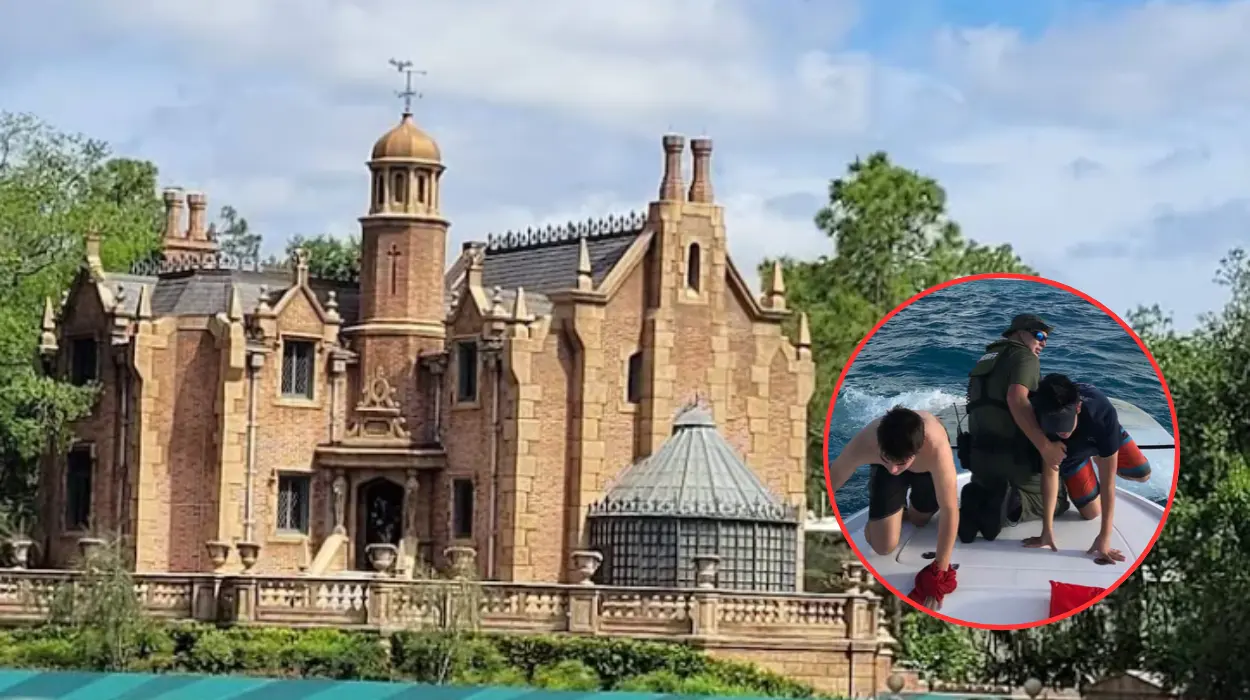
Upon arrival at the scene, marine deputies located two teenagers stranded and sitting precariously on top of the hull of their overturned boat. As reported by local media coverage of the incident, the marine deputies successfully transferred both individuals onto the law enforcement vessel and brought them safely to shore.
The Lee County Sheriff’s Office confirmed in its public statements that neither of the teenagers sustained physical injuries during the capsize or the subsequent rescue operation. Emergency medical evaluations at the dock confirmed they were unhurt, and they were released following the incident.
What Weather Conditions Contributed to the Capsizing Incident?
The incident coincided with a seasonal shift in Florida’s weather patterns. Meteorological reports indicated that cold and windy weather conditions had begun moving into Florida’s Gulf Coast region on the weekend of the rescue.
When cold fronts descend upon shallow coastal bays and open Gulf waters, strong offshore and cross-shore winds frequently interact with tidal currents to produce steep, short-interval waves and choppy surface conditions. For small recreational vessels, these larger waves can easily swamp transoms, force water over gunwales, and compromise structural stability, leading to rapid flooding and capsizing.
Law enforcement officials emphasised that these sudden meteorological changes demand heightened preparedness from all operators navigating southwest Florida waterways during late autumn and winter transition periods.
What Safety Recommendations Did the Lee County Sheriff’s Office Issue to Boaters?
In the wake of the successful rescue, the Lee County Sheriff’s Office issued a formal set of safety guidelines aimed at recreational boaters navigating Florida’s coastal and inland waterways during periods of inclement weather.
The agency stressed several mandatory precautions to prevent similar maritime accidents:
- Consult Marine Forecasts: Boaters must thoroughly check regional weather forecasts and marine advisories before launching vessels or heading out into open water.
- Wear Personal Flotation Devices: Occupants should keep life jackets secured and worn at all times while underway, particularly when rough water conditions increase the risk of falling overboard or vessel swamping.
- Monitor Environmental Changes: Captains must remain vigilant regarding sudden wind shifts, dropping temperatures, and deteriorating visibility or wave heights.
- Exercise Vessel Caution: Operators should reduce speed and adjust routes when encountering choppy chop or wakes generated by cold fronts moving across Gulf waters.
Background of the Sanibel Causeway and Regional Marine Patrol Operations
The Sanibel Causeway is a vital 3-mile-long network of bridges and causeway islands connecting the mainland of Lee County, Florida, to Sanibel Island across the waters of San Carlos Bay and the Gulf of Mexico. Characterised by heavy recreational boating traffic, sport fishing vessels, and commercial marine charters, the area experiences high volumes of maritime activity year-round.
The Lee County Sheriff’s Office Marine Unit operates specialised patrol vessels equipped for search and rescue operations, law enforcement, and environmental safety monitoring across extensive coastal waterways, including Pine Island Sound, San Carlos Bay, and the Gulf passes. Marine deputies routinely respond to distress calls involving disabled vessels, groundings, and capsizings, particularly during seasonal weather transitions when amateur boaters may encounter unexpected high-wind conditions.
How Could Marine Safety Advisories Affect Recreational Boaters and Anglers?
The renewed focus on maritime safety following the Sanibel Causeway rescue carries direct practical implications for recreational boaters, fishing enthusiasts, and tourism operators across southwest Florida:
- Greater Adherence to Safety Equipment Standards: Increased public awareness regarding sudden weather shifts encourages boaters to maintain up-to-date safety gear, including functioning VHF radios, distress flares, and properly fitted life jackets for all passengers.
- Proactive Trip Planning: Stricter attention to marine forecasts can reduce emergency rescue deployments by deterring vessel operators from venturing into open Gulf waters during active small craft advisories or cold front passages.
- Enhanced Protection for Young and Inexperienced Mariners: Highlighting incidents involving younger boaters underscores the critical importance of foundational maritime education, water competency, and supervised operation on coastal waters.