
Key Points
- Deltona, a city of more than 100,000 residents in Florida’s Volusia County, announced on Saturday, 21 November 2026, that it is cancelling its Christmas parade scheduled for 12 December 2026, along with other municipal events—sparing only two self-supporting 5K runs—ahead of Amendment 3 taking effect on 1 January 2027.
- Deltona City Manager Doc Dougherty stated in a letter to residents that the city expects budget reductions of approximately $12 million in the first year, another $5 million in the second year, and more than $23 million by 2030, based on estimates from the Volusia County Property Appraiser’s Office and the State of Florida.
- Florida voters approved Amendment 3 on 3 November 2026 with roughly 62 per cent support, raising the homestead property tax exemption for non-school district taxes to $150,000 in 2027 and $250,000 in 2028, indexed to inflation from 2029.
- State economists estimate Amendment 3 could reduce local government revenues across Florida by roughly $5 billion in its first year and nearly $12 billion annually by its fifth year.
- Other Florida municipalities are also adjusting budgets and holiday plans: Miami Gardens faces projected revenue losses of nearly $9.8 million in 2027 and close to $14.2 million in 2028 and has cut over 90 per cent of its special events budget; Oviedo trimmed its events budget by about $110,000 (28 per cent) while keeping holiday celebrations; Safety Harbor is weighing cuts to holiday events amid projected losses exceeding $2 million next year and $4 million in 2028; Hialeah is considering salary cuts of up to 20 per cent, a hiring freeze, and position eliminations; and Lady Lake restored its 5 December Christmas parade on 20 October after PARALIFE Financial stepped in as full sponsor.
Deltona (Florida Report Daily) November 23, 2026 – Deltona has cancelled its 2026 Christmas parade and nearly all other city-run events as municipal leaders brace for steep revenue losses following Florida voters’ approval of Amendment 3, a constitutional property tax overhaul set to take effect on 1 January 2027. City Manager Doc Dougherty announced the cancellations in a letter to residents, citing projected budget cuts of roughly $12 million in the coming year and more than $23 million by 2030. Across Florida, local governments are confronting multi-million-dollar revenue shortfalls estimated by state economists at about $5 billion in year one and nearly $12 billion annually by year five, prompting widespread budget reviews and holiday programming changes.
- Key Points
- Why Did Deltona Cancel Its Christmas Parade and Other City Events?
- What Does Florida’s Amendment 3 Do and How Did It Pass?
- How Are Other Florida Cities Responding to Projected Revenue Losses?
- Background of the Development
- Prediction: How This Development Can Affect Florida Residents, Event Organisers, and Municipal Governments
Why Did Deltona Cancel Its Christmas Parade and Other City Events?
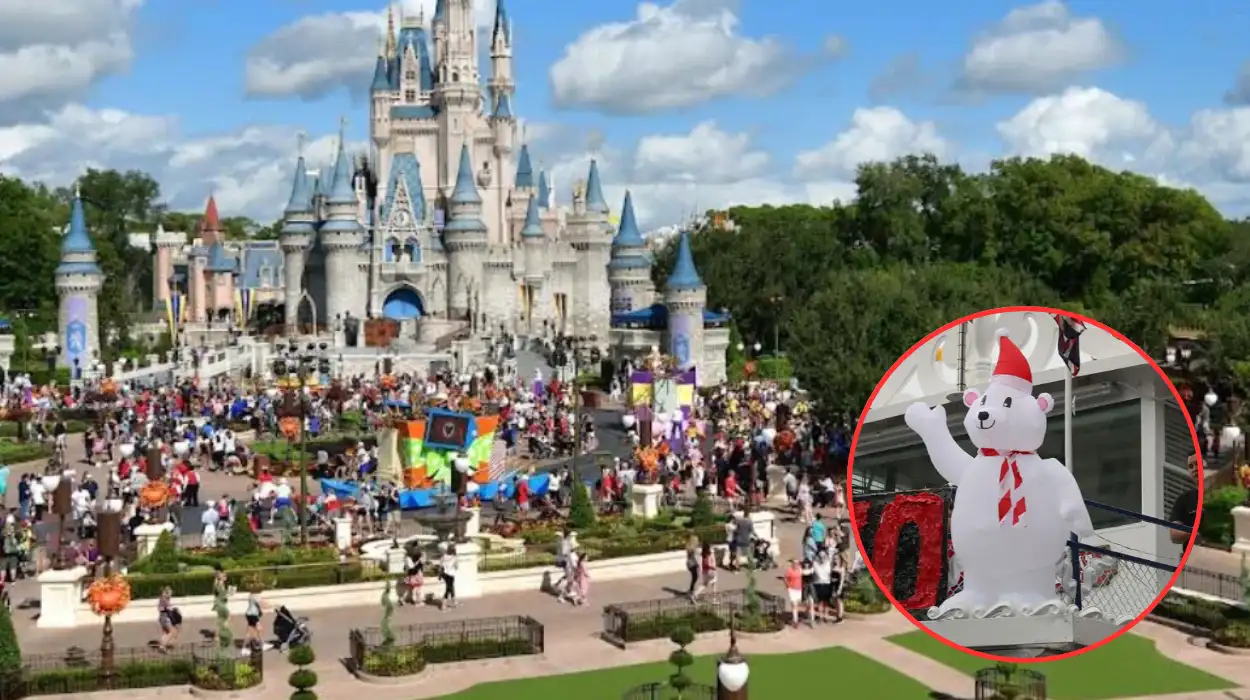
As reported by Newsweek and Florida Politics, Deltona—a city of more than 100,000 residents in Volusia County—announced on Saturday, 21 November 2026, that it was cancelling its Christmas parade, scheduled for 12 December 2026, alongside other municipal events. According to reporting by Deep Arrival citing FOX 35 Orlando and WKMG News 6, the city also noted measures including terminating construction contracts and withdrawing vehicle orders, while keeping only two upcoming self-supporting 5K runs on the calendar so funds can be directed toward essential services.
In a letter to residents published on the city’s official Facebook page and cited by Newsweek and Florida Politics, Deltona City Manager Doc Dougherty wrote: “It is with a heavy heart that I announce the cancellations of the Deltona Christmas Parade.” Dougherty stated that it was “unfortunate” that Deltona, among Florida cities and towns facing “drastically” reduced budgets due to Amendment 3, will be “most affected,” pointing to the loss of “millions of dollars’ worth” of city services.
As reported by Newsweek and FOX 35 Orlando, Dougherty said Deltona must reduce its budget by approximately $12 million next year, another $5 million in the second year, and more than $23 million by 2030, attributing those figures to estimates from the Volusia County Property Appraiser’s Office and the State of Florida. Dougherty noted that Deltona relies heavily on residential property values with little commercial development, and added: “Even though we have been doing everything right by reducing our tax millage for the past four years, including roll back this year, this is only the beginning of the vast reduction in City services our residents will face for years to come.” FOX 35 Orlando also quoted Dougherty as saying: “Working through the financial challenges created by Amendment 3 will take time, and there will be many more difficult decisions ahead.”
What Does Florida’s Amendment 3 Do and How Did It Pass?
According to reporting by Newsweek, roughly 62 per cent of Florida voters approved Amendment 3 on 3 November 2026—above the 60 per cent threshold required for constitutional amendments in the state—to expand the homestead property tax exemption and lower property tax bills for many homeowners starting 1 January 2027.
Under Amendment 3, as detailed by Newsweek and the Tampa Bay Beacon:
- The homestead property tax exemption for non-school district property taxes increases from $50,000 to $150,000 in 2027 and $250,000 in 2028, with the exemption indexed to inflation starting in 2029.
- The measure alters how local governments may spend property tax revenues, directing counties and municipalities toward public safety, education, infrastructure, natural resource projects and flood control, local bonds, employee retirement benefits, and government operations, while allowing other expenditures if approved by county officers or local governing bodies unless prohibited by general law.
- Supporters stated the measure is projected to benefit approximately 92 per cent of Floridians by reducing homeowner property tax bills, whereas opponents—including some local officials and law enforcement agencies—warned of budget shortfalls and reduced local services.
- State economists estimated that Amendment 3 could reduce local government revenues by roughly $5 billion in its first year, rising to nearly $12 billion annually by its fifth year, with potential pressure on funding for law enforcement, fire and emergency services, roads, libraries, parks, and public hospitals.
In an interview with Newsweek, Darryl Paulson, emeritus professor of government at the University of South Florida, addressed the gap between pre-election polling and the final vote tally. As reported by Newsweek, Paulson stated: “Amendment 3 offered to give every Florida homeowner an enormous tax reduction.” Paulson added: “Polling results showed that most Florida voters believed that Amendment 3 promised too much and that it would destroy public education, the parks program and law enforcement for a start. Constitutional amendments in Florida need the support of 60 percent of the electorate, and studies found most polls showing that less than half of the voters supported Amendment 3. Yet, Amendment 3 passed with about 62 percent of the vote. What happened?” According to Newsweek, Paulson said voters—not wanting to appear self-interested to pollsters—gave answers they viewed as socially expected, adding: “No one wants to look like they do not support public education, law enforcement, the parks and the environment.”
How Are Other Florida Cities Responding to Projected Revenue Losses?
Reporting across Florida news outlets shows multiple municipalities adjusting budgets and seasonal celebrations in response to Amendment 3:
- Miami Gardens: As reported by Newsweek citing Florida Politics, Miami Gardens estimates revenue losses of nearly $9.8 million in 2027 and close to $14.2 million in 2028, and has already cut its budget by stripping more than 90 per cent from its special events budget and eliminating a dozen events.
- Hialeah: According to Newsweek, the Miami-Dade County city of Hialeah is considering salary reductions of up to 20 per cent, departmental budget cuts, a hiring freeze, and position eliminations to offset anticipated Amendment 3 revenue losses.
- Oviedo: Newsweek reported that Oviedo trimmed its events budget by about $110,000, or 28 per cent, while keeping holiday celebrations. As reported by the Orlando Sentinel and cited by Newsweek, Oviedo council member Jeff Boddiford said: “These events are important to our community infrastructure. And we obviously do not want to tear our community apart.” Separate reporting by FOX 35 Orlando noted Oviedo council discussions around a $9 million recurring expense gap by 2028, potential event savings of about $200,000 (roughly 2 per cent of that savings goal), and scrutiny of a $34,000 Christmas tree lighting cost.
- Lady Lake: Newsweek reported that Lady Lake—a town of nearly 18,000 residents in Lake County—earlier cancelled its annual Christmas parade over budget constraints and uncertainty surrounding the property tax reform, but announced on 20 October 2026 that the parade will proceed on 5 December 2026 after PARALIFE Financial, based in The Villages, agreed to fully sponsor the event.
- Safety Harbor: According to Newsweek and WTSP, Safety Harbor in Pinellas County is considering cancelling its annual holiday parade and other events—including Harbor Holidays, Fourth of July fireworks, Santa tours, and tree lighting, accounting for nearly $179,000 in proposed plan spending—amid projected revenue losses of more than $2 million next year and $4 million in 2028.
- Seminole: As reported by the Tampa Bay Beacon, Seminole projects a $1.38 million revenue drop (23 per cent) next year and a $2.1 million drop (36 per cent) the following year without raising its property tax rate, leading officials to trim seasonal event funding and study fire protection financing.
Background of the Development
Property taxes form a core source of municipal and county revenue in Florida, funding local operations alongside state and other local sources. Over recent election cycles, rising property values and homeowner tax bills spurred debates over homestead exemptions and local government spending limits. Following the 3 November 2026 statewide vote approving Amendment 3 with roughly 62 per cent support, municipal officials across Florida began reviewing multi-year revenue projections from county property appraisers and state economists ahead of the amendment’s 1 January 2027 effective date, weighing discretionary spending such as parades and festivals against core municipal services and staffing.
Prediction: How This Development Can Affect Florida Residents, Event Organisers, and Municipal Governments
As local governments prepare budgets for 2027 and beyond under Amendment 3, several groups across Florida face distinct practical effects:
- Florida Homeowners and Residents: Primary homeowners eligible for the expanded $150,000 homestead exemption in 2027 and $250,000 exemption in 2028 are positioned to see lower property tax bills on non-school district levies, while simultaneously experiencing fewer city-funded community events and potential adjustments to municipal services depending on each city’s tax base and budget choices.
- Local Businesses, Civic Groups, and Event Sponsors: With municipalities scaling back or eliminating publicly funded parades and festivals—as seen in Deltona, Miami Gardens, and Safety Harbor—community organisations and private sponsors such as PARALIFE Financial in Lady Lake may play a larger role if private funding is sought to sustain local gatherings.
- Municipal Officials and Public Employees: City managers and councils face multi-year budget balancing exercises—ranging from event cancellations and capital contract adjustments in Deltona to proposed personnel and budget measures in Hialeah and Seminole—as they align spending with post-Amendment 3 revenue projections.