Key Points
- Felony Computer Misuse Arrests: Two Indian River County sheriff’s deputies, Sgt. John Finnegan and former Deputy Samuel Earman, were arrested and charged with felony unauthorized computer access for misusing Flock Safety automated license plate reader (ALPR) cameras.
- Extensive Unauthorized Tracking: Sheriff Eric Flowers revealed that Finnegan searched a single license plate over 900 times, while Earman searched three women’s plates approximately 200 times without valid law enforcement justification.
- Media Query Prompted Probe: The internal investigation into Finnegan began after a TCPalm-USA TODAY Network reporter questioned 574 searches performed across two license plates between March and October 2025, where he listed reasons such as “SUS” or “DAYTIME SEARCH FOR BEST RESULT.”
- Past Misconduct and Multiple System Breaches: Earman misused Flock along with state databases DAVID and FCIC to locate women’s home addresses, driving past their residences while on duty; a dozen women submitted complaints regarding unsolicited advances from him.
- Official Termination: Both Finnegan, an 18-year department veteran, and Earman, a 10-year veteran who was initially arrested in November 2025, have been terminated from the Indian River County Sheriff’s Office.
Indian River County (Florida Report Daily) November 03, 2026 – Two Florida sheriff’s deputies face felony criminal charges following an internal audit and press inquiry that exposed widespread unauthorized monitoring of private citizens using automated license plate reading technology. Indian River County Sheriff Eric Flowers announced the arrests of Sergeant John Finnegan and former Deputy Samuel Earman for breaching computer security laws by deploying the agency’s Flock Safety camera network to track personal acquaintances and women. Finnegan was terminated and released on bond after executing more than 900 unauthorized searches on a single vehicle, while Earman faces multiple felony counts after utilizing official law enforcement databases to stalk and message women..
- Key Points
- How Were Indian River County Deputies Exposed for Misusing Flock Safety ALPR Cameras?
- What Other Law Enforcement Databases Were Breached by Former Deputy Samuel Earman?
- What Previous Disciplinary Actions and Lawsuits Document Sergeant Finnegan’s History?
- Background of the Particular Development
- Prediction: How This Development Can Affect Law Enforcement Agencies, Public Privacy, and ALPR Technology Vendors
How Were Indian River County Deputies Exposed for Misusing Flock Safety ALPR Cameras?
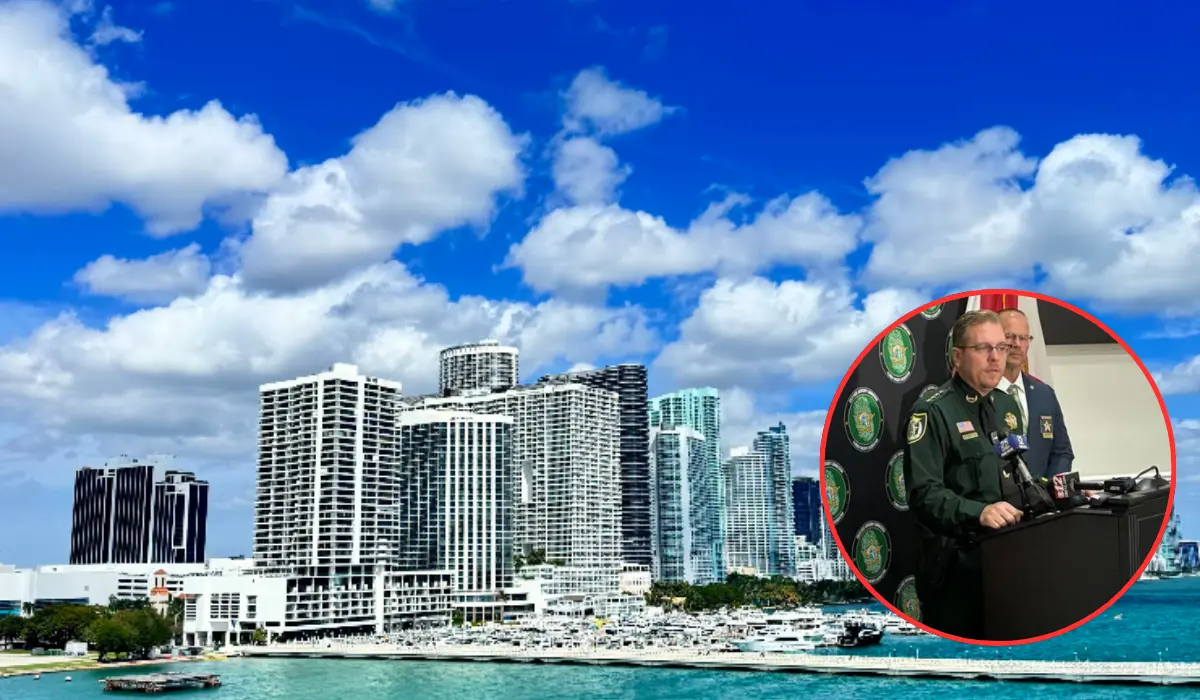
As reported by TCPalm, Sheriff Eric Flowers confirmed during a press conference on November 2, 2026, that the Indian River County Sheriff’s Office arrested two of its own officers following investigations into felony unauthorized computer use.
As reported by TCPalm, Sheriff Eric Flowers stated: “It’s always a sad day when we have to report that the [public] trust has been violated and we have to arrest one of our own. Today we arrested two.”
The investigation into 41-year-old Sgt. John Finnegan, an 18-year veteran who rose from deputy to detective to sergeant, commenced days after August 27, 2026. At that time, a TCPalm-USA TODAY Network reporter inquired about 574 searches Finnegan had conducted on two specific license plates between March and October 2025. According to departmental records cited by TCPalm, Finnegan entered vague justification codes for the searches, including “SUS” or “DAYTIME SEARCH FOR BEST RESULT.”
Audits ultimately revealed Finnegan searched one of the license plates over 900 times. As reported by TCPalm, Sheriff Eric Flowers addressed Finnegan’s actions by stating: “It’s a complex relationship dynamic going on in John’s life.” Finnegan was placed on administrative leave, subsequently fired, and released from the Indian River County Jail after posting a $10,000 bond.
Following the initial inquiry, the Sheriff’s Office initiated a comprehensive audit of all agency Flock camera activity on October 11, 2026. That audit uncovered secondary misuse by 34-year-old Deputy Samuel Earman, who searched three women’s license plates approximately 200 times. Earman, who was previously fired and first arrested on November 17, 2025, was charged with four counts of “offenses against computer users.” Earman is the son of Joe Earman, a former Indian River County Commissioner and veteran Fire-Rescue official.
What Other Law Enforcement Databases Were Breached by Former Deputy Samuel Earman?
As reported by TCPalm, Sheriff Eric Flowers disclosed that Earman’s unauthorized queries extended beyond the Flock Safety network into secured state law enforcement systems, including the Driver and Vehicle Information Database (DAVID) and the Florida Crime Information Center (FCIC).
Earman’s logged search justifications in the system included entries such as “test,” “well,” and “training.” According to records released by the Sheriff’s Office, Earman’s unauthorized searches spanned from January 2024 to October 2025.
As reported by TCPalm, departmental investigations revealed that Earman utilized state databases to locate at least one woman’s home address and repeatedly drove past her residence in his marked patrol vehicle while on duty. Internal affairs records show that a dozen women came forward to report inappropriate conduct by Earman, stating they received unsolicited romantic advances, phone calls, and sexually explicit messages from him.
What Previous Disciplinary Actions and Lawsuits Document Sergeant Finnegan’s History?
As reported by TCPalm, personnel records indicate that Sergeant John Finnegan had previously been subject to internal discipline and civil litigation during his 18-year tenure. In August 2025, Finnegan served a two-day suspension for insubordination, neglect of duty, and “abuse of rest periods.” Personnel files also note he was present on scene in 2022 when an automated license plate reader mistakenly flagged Sheriff Flowers’ personal vehicle as stolen while Flowers was driving with his girlfriend. Finnegan was also featured in segments of the reality television series “Live PD.”
Furthermore, as reported by TCPalm, federal court records show Finnegan was sued in 2021 for battery, excessive force, and First Amendment retaliation stemming from a January 19, 2017 incident in Fort Pierce. Finnegan was assisting the St. Lucie County Sheriff’s Office in serving a homicide warrant when the suspect’s father, 54-year-old Johnny Ealy, shouted at officers to “get the hell out of the yard.”
According to court filings cited by TCPalm, Finnegan claimed Ealy pushed him, causing him to fall. Conversely, Ealy alleged in his suit that he was “violently thrown to the ground and was kicked, punched and trampled on while on the ground.” Ealy pleaded no contest to battery on a law enforcement officer in the criminal matter, but filed a federal civil rights lawsuit three years later.
As reported by TCPalm, the civil suit concluded in a confidential settlement and dismissal with prejudice. During his deposition in that case, as reported by TCPalm, Sgt. John Finnegan stated: “I know the legal limits of what I’m allowed to do. For the situation total at hand, it ended pretty well, in my opinion, on him and I.”
Background of the Particular Development
Automated License Plate Readers (ALPR), such as those engineered by Flock Safety, utilize fixed and mobile cameras integrated with optical character recognition software to capture images of license plates, vehicle makes, models, and unique features. These systems capture millions of vehicle scans daily across public roadways, storing data in searchable databases accessible to subscribing law enforcement agencies to assist in tracking stolen vehicles, locating missing persons, and solving violent crimes.
However, the rapid deployment of ALPR networks has drawn intense scrutiny from civil liberties organizations, including the American Civil Liberties Union (ACLU), regarding public privacy protections and the potential for official abuse. In Florida, access to official criminal justice databases such as DAVID and FCIC is strictly governed by state law under Chapter 815, Florida Statutes (“Offenses Against Computer Users”).
Law enforcement personnel are legally required to possess an active, documented criminal case number or valid investigative reason before querying private individual records. Under Florida law, accessing secured public safety networks for personal, non-official, or romantic reasons constitutes a felony offense.
Prediction: How This Development Can Affect Law Enforcement Agencies, Public Privacy, and ALPR Technology Vendors
The felony prosecutions of deputies in Indian River County are expected to trigger administrative, technological, and regulatory shifts across multiple sectors:
Impact on Vendors Like Flock Safety: ALPR vendors will face increased pressure from municipal clients to embed built-in compliance guardrails into their platform user interfaces. Vendors may be required to develop automated verification systems that block searches unless accompanied by a verified CAD (Computer-Aided Dispatch) incident number, thereby shielding technology providers from legal fallouts associated with internal law enforcement misconduct.
Impact on Law Enforcement Agencies and Internal Audits: Police departments and sheriff’s offices across Florida and nationwide will likely face demands to implement strict, automated audit protocols for ALPR usage. Law enforcement leaders will be pressured to move away from random manual spot-checks toward real-time algorithmic alerts that flag repetitive queries of single license plates or searches conducted without associated case numbers, reducing internal liability and restoring public trust.
Impact on Public Privacy and Citizen Protection: For local residents and civil rights advocates, this development reinforces concerns regarding government surveillance and abuse of power. Citizen advocacy groups may leverage these felony charges to lobby state legislatures for stricter statutory limits on data retention periods for non-hit ALPR scans and demand mandatory public disclosure logs when law enforcement officers violate database privacy protocols.