Key Points
- Marco Island Police officers located an approximately eight-foot Burmese python near Residents’ Beach on Marco Island in Collier County, southwestern Florida, on the evening of Wednesday, November 18, 2026.
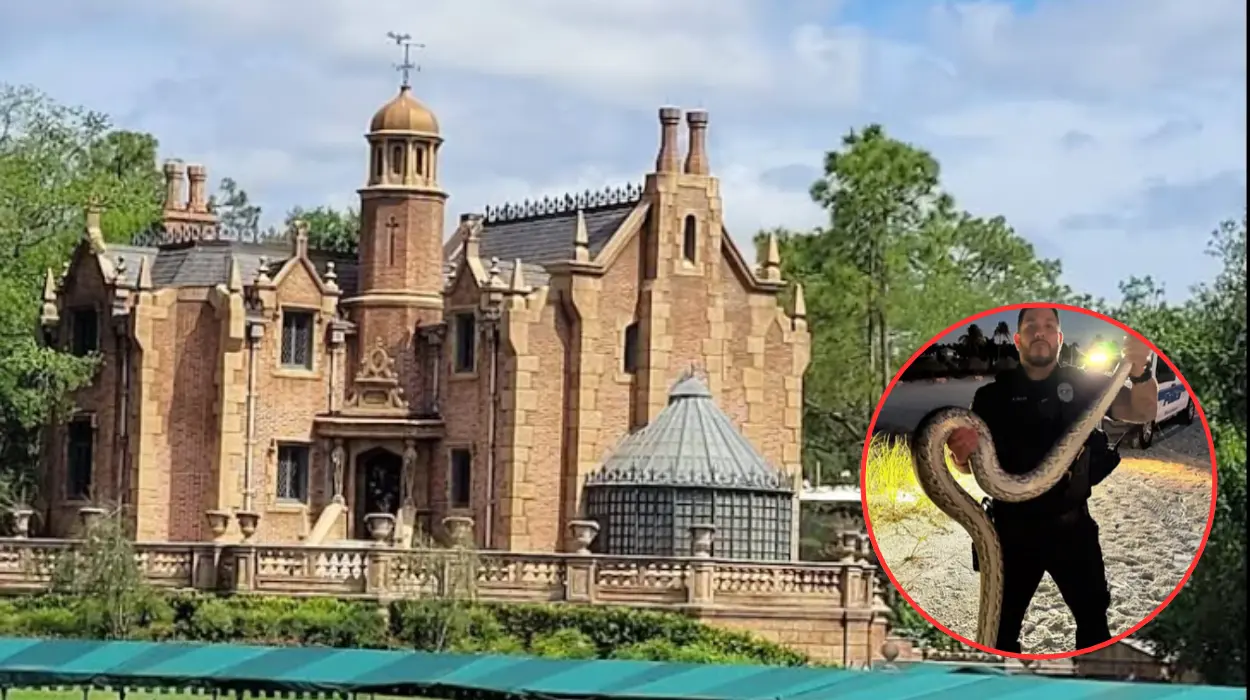
- Certified invasive Burmese python hunter Elliott Totten responded and captured the snake, after which Marco Island Police Officer Allan Reyes posed with the reptile on the sand in a photo shared by the department on Thursday, November 19, 2026.
- Resident Karen Hartford Corriveau spotted the snake after noticing its tail on the beach while the remaining seven feet were in the grass, and she contacted 911.
- The capture marked the second photo in less than a month of a Marco Island police officer posing with a python, following an October 25, 2026 post featuring an unidentified officer.
- The November 18 capture followed the removal of a 15-foot, two-inch, 134-pound female Burmese python from bushes in the Lely Resort neighbourhood in Collier County, south and east of Naples.
- According to the Florida Fish and Wildlife Conservation Commission (FWC), Burmese pythons can grow over 20 feet long—though those caught in Florida generally measure six to ten feet—and are established from just south of Lake Okeechobee to Key Largo and from western Broward County west to Collier County.
Marco Island (Florida Report Daily) November 20, 2026 – An approximately eight-foot invasive Burmese python was captured near Residents’ Beach on Marco Island in southwestern Florida on the night of Wednesday, November 18, 2026, after a local resident spotted the snake and alerted emergency services. Certified python hunter Elliott Totten removed the reptile, and Marco Island Police Officer Allan Reyes posed with the snake on the sand in a photograph shared by the department on November 19. The incident marked the second time in less than a month that Marco Island police posted a photo of an officer with a captured python.
- Key Points
- How Was the Eight-Foot Burmese Python Found Near Residents’ Beach?
- Who Captured the Snake and What Did Marco Island Police Post?
- How Does the Marco Island Capture Compare With Other Collier County Sightings?
- Where Are Burmese Pythons Established in Florida and How Large Do They Grow?
- Background: Invasive Burmese Pythons and State Removal Programmes in South Florida
- Predictions: How Could This Trend Affect Residents, Beachgoers, and Local Authorities in Southwest Florida?
How Was the Eight-Foot Burmese Python Found Near Residents’ Beach?
According to reporting by the Naples Daily News, the eight-foot Burmese python was located on the evening of Wednesday, November 18, 2026, near Residents’ Beach on Marco Island in Collier County.
In a comment on the Marco Island Police Department’s Facebook post, Karen Hartford Corriveau stated that she discovered the snake, writing: “the tail end was on the beach that’s how I spotted it − the other 7’ were in the grass.” Elsewhere in the comment thread, responding to another user, Corriveau wrote: “It (I) was out of my mind calling 911”.
As reported by the Naples Daily News, Corriveau responded to a message via Facebook Messenger, writing: “I hate snakes lol. I knew as soon as I saw something out of the ordinary on the beach it was a python. It was so big. I figured it had to be a python. It was my worst nightmare coming true. My husband walked up close and was ‘Yup. It’s a big python.'”
Who Captured the Snake and What Did Marco Island Police Post?
After officers located the snake near Residents’ Beach on the night of November 18, 2026, local trapper Elliott Totten responded and captured it. According to the Naples Daily News, Totten is a Marco Island native and a certified invasive Burmese python hunter contracted with state initiatives including the Florida Fish and Wildlife Conservation Commission (FWC) and the South Florida Water Management District (SFWMD).
On Thursday, November 19, 2026, the Marco Island Police Department published a photograph on its social media channels showing Officer Allan Reyes holding the python and posing on the sand. The department’s post stated:
“We’re beginning to build quite the collection of photos of Marco Island Police officers with snakes! Last night (Nov. 18), officers located an approximately 8-foot snake near Residents’ Beach. A local trapper responded and captured the snake, and Officer Reyes even got a photo with it. This might be the largest one we’ve encountered yet!”
How Recent Was the Previous Marco Island Police Python Post?
The photograph of Officer Allan Reyes marked the second time in less than a month that the Marco Island Police Department shared a picture of an officer posing with a python.
On October 25, 2026, Marco Island Police posted a photograph of an unidentified officer with a captured python, stating: “You never know what our officers will encounter during their shifts! Tonight, our officers had a rather slithery encounter when they captured a python on Marco Island! Just another day (or night) protecting paradise!”
How Does the Marco Island Capture Compare With Other Collier County Sightings?
As reported by the Naples Daily News, the removal of the eight-foot snake near Residents’ Beach on November 18, 2026, followed shortly after a 15-foot, two-inch, 134-pound female Burmese python was found in bushes in the Lely Resort community in Collier County, south and east of Naples. Video footage showed two individuals restraining the large snake and pulling it out of the bushes.
Across Florida, invasive Burmese pythons have increasingly been documented in residential yards, garages, chicken coops, and swimming pools, as well as near coastal areas such as Marco Island.
What Did Residents Say on Social Media About the Beach Capture?
The Marco Island Police Department’s social media post regarding the snake near Residents’ Beach drew numerous comments from local residents and social media users, including one commenter who jokingly posted a “For Sale” sign.
Among the reactions cited by the Naples Daily News:
- Debbie Vogt Perkel wrote: “I want to know if he/she showed their beach pass! So now I just have to find a spot between the crocs and snakes so I can lay back in my chair and RELAX. NOT!”
- Tricia Marie Kutzke posted: “Keep getting them boys !!!! They’re not wanted on Marco”
- Maureen Barto said: “Wow!!! They’re even crossing bridges now.”
- Nancy Butler wrote: “Yikes! I thought Marco was relatively safe from these pythons. Will have to be careful while doing yard work!”
- Meredith Babbkock posted: “Wow glad that didn’t come through my sliding glass door and get me”
- Cindy Timmerman commented: “Great job now catch all the big iguanas that are (at) Residence Beach living in the brush”
- Teri Pangrazzi Reed wrote: “NOPE!”
Where Are Burmese Pythons Established in Florida and How Large Do They Grow?
According to information published on the Florida Fish and Wildlife Conservation Commission website, Burmese pythons are large constrictors capable of growing to more than 20 feet in length, although snakes captured in Florida typically measure between six and ten feet. Adult Burmese pythons grow larger than nearly all native snake species in Florida and generally display tan colouring with dark blotches along their backs and sides.
The FWC states that Burmese pythons are established in Florida from just south of Lake Okeechobee to Key Largo and from western Broward County west to Collier County, including:
- Everglades National Park
- Biscayne National Park
- Crocodile Lake National Wildlife Refuge
- Francis S. Taylor Wildlife Management Area
- Big Cypress National Preserve
- Fakahatchee Strand Preserve State Park
- Florida Panther National Wildlife Refuge
- Picayune Strand State Forest
- Collier-Seminole State Park
- Rookery Bay National Estuarine Research Reserve
The FWC notes that pythons observed outside those established areas are likely escaped or released captive animals, while adding that because of the cryptic behaviour of pythons, confirming new areas of establishment can take time.
Background: Invasive Burmese Pythons and State Removal Programmes in South Florida
Burmese pythons (Python bivittatus) are non-native constrictors native to Southeast Asia that became established in southern Florida following introductions linked to the exotic pet trade and hurricane damage to breeding and holding facilities during the late 20th century. Because they have few natural predators as adults in Florida and reproduce rapidly, they prey on native mammals, birds, and reptiles across wetlands and surrounding habitats in South Florida.
To curb their spread and reduce ecological harm, state and regional agencies—including the Florida Fish and Wildlife Conservation Commission and the South Florida Water Management District—operate contracted python removal and elimination programmes, alongside periodic public hunting competitions and incentive structures for certified hunters such as Elliott Totten.
Predictions: How Could This Trend Affect Residents, Beachgoers, and Local Authorities in Southwest Florida?
- Marco Island and Collier County Residents: Homeowners, property managers, and residents on Marco Island and surrounding Collier County neighbourhoods—including communities near beaches, canals, and vegetated lots—may remain vigilant around yards, bushes, garages, and outdoor structures, and continue reporting sightings promptly to local police, hunters, or wildlife hotlines.
- Beach Visitors and Tourists: Visitors to coastal areas such as Residents’ Beach and nearby recreational spots may encounter heightened public awareness and occasional temporary responses by law enforcement and contracted trappers when large reptiles are spotted near dunes, grass, or shoreline access points.
- Local Law Enforcement and Wildlife Agencies: Municipal police departments, such as the Marco Island Police Department, and state contractors like the FWC and SFWMD face ongoing coordination demands to respond to public sightings, verify removals, and communicate factual wildlife guidance across social media and community channels.