Key Points
- Historic Electoral Victory: Republican Byron Donalds defeated Democrat David Jolly in the Florida gubernatorial race, becoming the state’s first Black governor, according to an Associated Press race call.
- Presidential Endorsement: Donalds, aged 48, secured the governorship backed by explicit endorsement and substantial campaign funding from President Donald Trump, holding a joint rally with Trump days before the election.
- Focus on Economic Affordability: The campaign centered heavily on economic issues, with Donalds pledging to tackle inflation, insurance premiums, and housing costs while maintaining the conservative policies of outgoing Governor Ron DeSantis.
- Political Backgrounds of Candidates: Donalds is a former finance professional who served two terms in Congress and two terms in the Florida House, having transitioned from the Democratic Party in 2010. Jolly, aged 54, is a former Republican congressman who left the party in 2018 and registered as a Democrat in 2025.
- Debate Over AI Data Centers: Jolly campaigned on the slogan “Believe in better” and criticized Donalds over campaign contributions from the artificial intelligence data center sector, leading Donalds to introduce summer legislation requiring data centers to self-generate power and water.
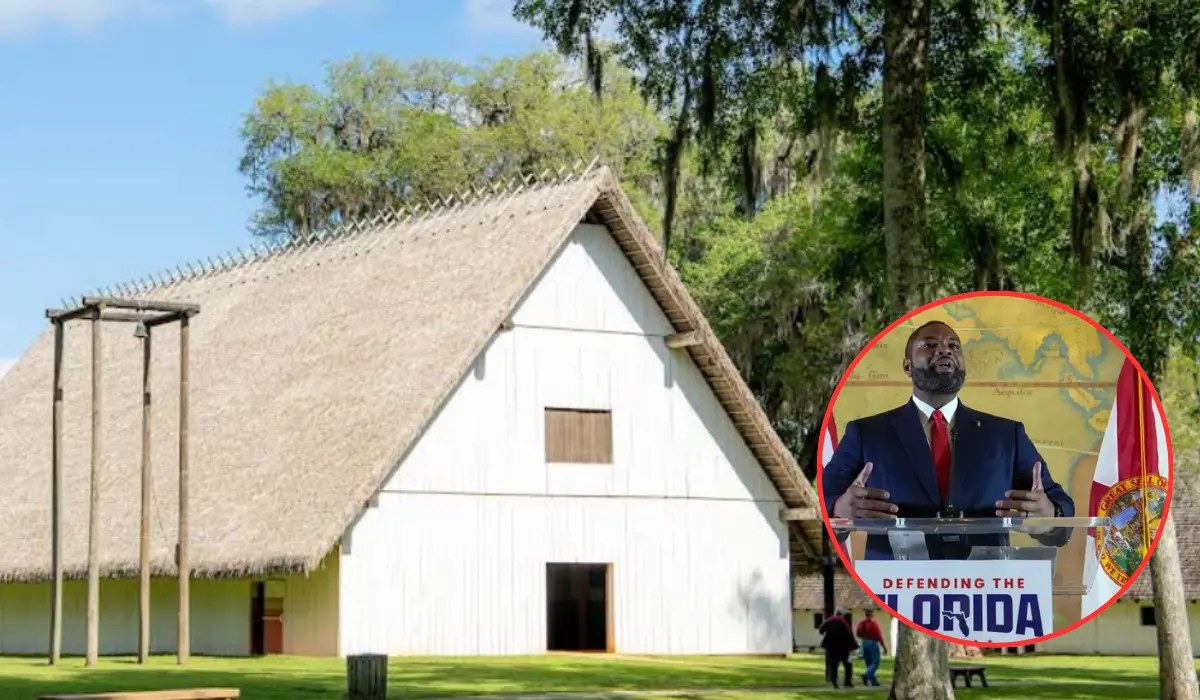
Tallahassee (Florida report Daily) November 4, 2026 – Republican Byron Donalds won Florida’s gubernatorial election on Tuesday evening, defeating Democratic candidate David Jolly to become the state’s first Black governor, according to an Associated Press race call. Supported by high-profile endorsements from President Donald Trump and outgoing Governor Ron DeSantis, Donalds ran on a platform centered on economic affordability, inflation mitigation, and institutional continuity with conservative state policies. Donalds overcame economic headwinds and dissatisfaction over national energy prices to win in a state where registered Republicans outnumber Democrats by approximately 1.5 million voters.
- Key Points
- How Did Byron Donalds Win Florida’s Historic 2026 Gubernatorial Election?
- What Were the Core Campaign Issues and Platform Debates Between Donalds and Jolly?
- What Are the Political Trajectories of Byron Donalds and David Jolly?
- Background of the Particular Development
- Prediction: How This Development Can Affect Florida Residents, Businesses, and National Politics
How Did Byron Donalds Win Florida’s Historic 2026 Gubernatorial Election?
According to reporting by journalists covering the Associated Press race call, Republican Byron Donalds defeated Democrat David Jolly in Florida’s closely watched gubernatorial race, securing a milestone victory as the state’s first Black governor.
As detailed by the Associated Press, Donalds, 48, secured the governorship bolstered by an endorsement from President Donald Trump alongside significant campaign funding. The electoral victory came despite a complex political environment in which voters expressed growing dissatisfaction with the national administration over elevated gas prices and the ongoing military conflict with Iran.
Florida’s baseline electorate provided a structural advantage for the Republican nominee. According to data cited in the Associated Press report, Florida maintains approximately 1.5 million more registered Republicans than Democrats, alongside 3.3 million voters registered without party affiliation. Although polling indicated a highly competitive contest throughout the election cycle, Donalds leveraged the Republican registration lead and shared campaign trail appearances with outgoing Governor Ron DeSantis, who remains popular across the state.
What Were the Core Campaign Issues and Platform Debates Between Donalds and Jolly?
As documented in the news coverage by the Associated Press, economic affordability served as the central focus for both campaigns throughout the election. Donalds concentrated his policy messaging on addressing inflation, escalating housing expenses, and soaring property insurance rates, while promising to maintain the conservative governing framework established during the DeSantis administration.
Democrat David Jolly, 54, built his campaign around the slogan “Believe in better,” focusing on identical economic pressures including home costs, inflation, and retail fuel prices. However, Jolly also introduced technology infrastructure into the debate, specifically challenging the expansion of artificial intelligence data centers across Florida.
According to the Associated Press report, Jolly attacked Donalds regarding campaign financial contributions received from figures within the data center industry, labeling his opponent “data center Donalds.” In response to growing community concerns over resource utilization by technology facilities, Donalds introduced legislation during the summer requiring all new data center developments to independently generate their own electrical power and water supplies.
What Are the Political Trajectories of Byron Donalds and David Jolly?
As reported by the Associated Press, both candidates brought unconventional party histories and extensive legislative experience to the gubernatorial race.
Byron Donalds began his professional career in the finance industry before entering public service. Notably, Donalds began his political life as a member of the Democratic Party before formally leaving the party in 2010. He subsequently served two terms in the Florida House of Representatives followed by two terms representing Florida in the United States House of Representatives, establishing himself as a prominent figure within the Republican Party. Donalds emerged as an early supporter of Donald Trump during the 2024 presidential election cycle, later securing Trump’s endorsement for his gubernatorial campaign and holding a joint rally with the president in the final days of the race.
The Associated Press noted that the public alignment between Donalds and Trump underwent tactical adjustments during the campaign. Early-year polling indicated that Governor DeSantis held higher popularity ratings in Florida than President Trump, and in September, Donalds temporarily removed prominent displays of Trump’s name from his primary campaign website before reuniting on the trail shortly before election day.
David Jolly, an attorney, lobbyist, and television political analyst, previously served in the United States House of Representatives as a Republican. As detailed in the Associated Press report, Jolly left the Republican Party in 2018 during Trump’s first presidential term. He spent several years registered as an independent voter with no party affiliation before formally joining the Democratic Party in 2025 to launch his gubernatorial bid.
Background of the Particular Development
The 2026 Florida gubernatorial election represents the culmination of a decade-long political transformation that shifted Florida from a quintessential national battleground state into a solid Republican stronghold. Following tight gubernatorial contests in 2010, 2014, and 2018—the latter decided by less than 0.4 percentage points—the state experienced a rapid expansion in Republican voter registration. Accelerated by post-pandemic migration patterns, Florida Republicans erased a historical Democratic voter registration advantage, building a lead of over 1.5 million registered voters by late 2026.
The election also reflects the evolving political dynamics surrounding utility demands and artificial intelligence infrastructure across the Sun Belt. As tech companies accelerated the construction of large-scale AI data centers requiring immense electrical wattage and water cooling, local communities voiced concern over power grid stability and municipal utility rates. Donalds’ legislative intervention requiring data center self-sufficiency emerged as a direct response to rising public friction over industrial resource consumption.
Prediction: How This Development Can Affect Florida Residents, Businesses, and National Politics
The election of Byron Donalds to Florida’s executive office will directly impact state residents, energy sector stakeholders, and the national political landscape over the coming four-year term.
Impact on Florida Residents and Homeowners
With Donalds pledging continuity with the DeSantis administration, residents can anticipate a sustained emphasis on deregulation, conservative judicial appointments, and targeted tax relief. However, the new administration will face immediate pressure to resolve Florida’s crisis in the property insurance and housing markets. Homeowners facing high insurance premiums will look to Donalds’ finance background for regulatory mechanisms to stabilize primary insurance markets without triggering carrier exits.
Impact on the Technology and Energy Sectors
The corporate technology sector and industrial power developers will face new operational parameters in Florida. Donalds’ proposed mandate requiring AI data centers to independently produce their own off-grid power and water supplies will force data center operators to build dedicated solar, natural gas, or micro-reactor infrastructure. While this policy protects residential consumers from grid strain and utility rate hikes, it significantly increases capital expenditure requirements for technology firms expanding into the state.
Impact on National Republican Politics
As the state’s first Black governor and a prominent national conservative, Donalds’ ascension consolidates Florida’s position as a laboratory for national conservative policy. His close ties to President Trump, combined with his alignment with Governor DeSantis, position Donalds as a major national figure capable of bridging distinct factions within the national Republican Party ahead of future federal electoral cycles.