Key Points
- Emergency Shelter Evacuation: FavorHouse of Northwest Florida was forced to evacuate 15 women and 12 children across Escambia County, Panama City, and general community shelters ahead of Hurricane Isaias.
- Severe Storm Impact: Hurricane Isaias made landfall near Destin, Florida, as a Category 2 storm with 105 mph winds on Friday, 9 October 2026, causing at least four fatalities and leaving hundreds of thousands without power.
- Critical Facility Damage: The Pensacola shelter sustained structural damage, including a collapsed privacy fence, a popped roof soffit, and generator failure after 18 hours that spoiled food across four freezers and two refrigerators.
- Intersection of Climate and Abuse: Experts and advocates emphasize that extreme weather and prolonged heat stress aggravate domestic violence dynamics while severely weakening essential support systems and emergency response infrastructure.
- Protracted Service Disruption: Hotline calls were rerouted across the state to backup facilities such as Broward County while FavorHouse remained closed for 19 days before reopening on 28 October 2026 amid unpaid repairs and an ongoing hurricane season.
Pensacola (Florida Report Daily) November 02, 2026 – The disruption and physical damage inflicted on a domestic violence shelter in the Florida Panhandle by Hurricane Isaias has highlighted the escalating strain that climate-driven disasters place on vulnerable populations and the specialized safety nets designed to protect them.
- Key Points
- How Do Climate Disasters and Heat Stress Escalate Domestic Violence Risks?
- Why Are Domestic Violence Shelters Facing Increasing Financial and Operational Strain?
- What Is the Status of Shelter Infrastructure versus Ongoing Climate Threats?
- Background of Climate Impacts on Social Safety Infrastructure
- Prediction: How This Development Can Affect Domestic Abuse Survivors and Support Organizations
As reported by Kate Waxman of Inside Climate News, Tracie Hodson, Executive Director of FavorHouse of Northwest Florida in Pensacola, was forced to execute emergency evacuation procedures when storm forecasts confirmed a direct threat to the region. By Thursday, 8 October, staff members relocated 15 women and 12 children from the Pensacola shelter. Some residents were moved inland within Escambia County to avoid dangerous storm surges, while staff drove one family and another individual three hours east to a partner shelter in Panama City. A mother and child with no alternative housing options were placed in a general community shelter before staff braced for impact.
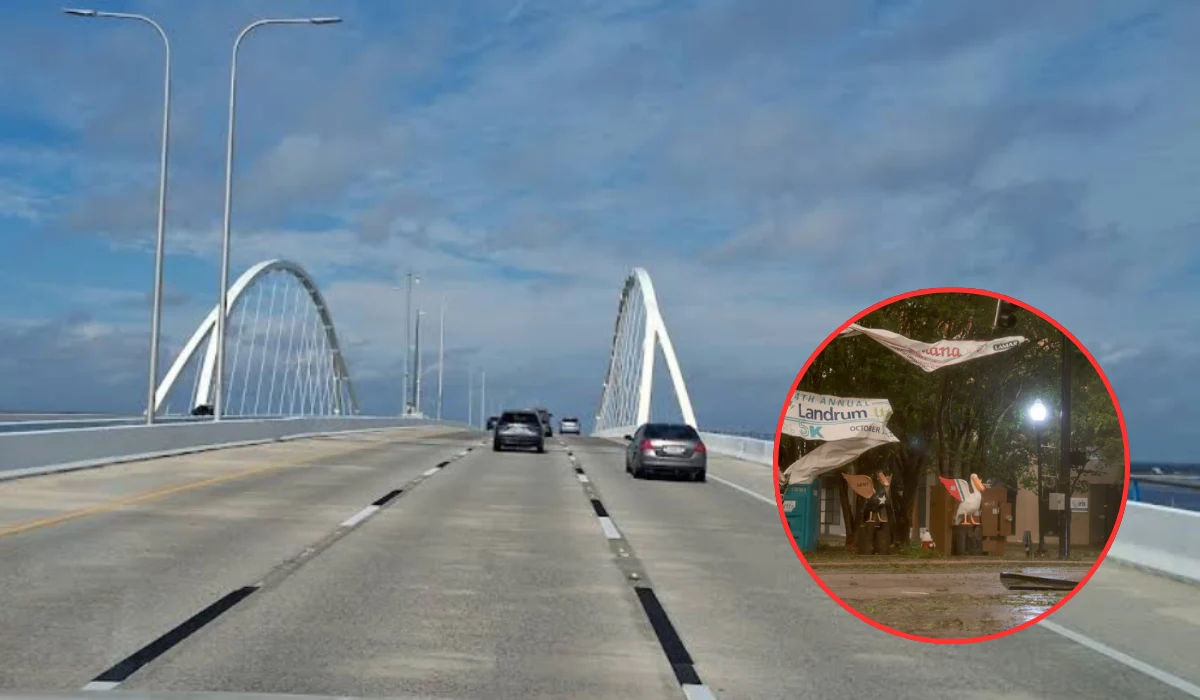
Hurricane Isaias made landfall near Destin, Florida, at 8:30 p.m. on Friday, 9 October, striking as a Category 2 storm with sustained winds of 105 mph. The storm resulted in at least four fatalities nationwide, including two confirmed deaths in Florida, alongside widespread power outages and severe infrastructure damage across the Panhandle.
According to initial post-storm inspections conducted on Saturday, 10 October, FavorHouse’s primary shelter structures remained standing but suffered significant damage. A falling tree destroyed a extensive section of the perimeter privacy fence—a vital security feature for domestic abuse survivors—and clipped the rear corner of the facility, dislodging the roof soffit. Furthermore, the emergency backup generator failed roughly 18 hours into the power outage, causing food supplies stored in four freezers and two refrigerators to spoil completely.
As reported by Kate Waxman of Inside Climate News, domestic violence advocacy groups noted that the physical damage compelled FavorHouse to temporarily close its facility and transfer local emergency hotline operations to external partner centers, including Broward County’s support network. On 28 October, 19 days after the storm, FavorHouse successfully reopened its shelter around sunrise, bringing returned families back to the Pensacola facility. However, key repairs remain outstanding; the security fence has not been replaced, roof remediation is ongoing, and the facility’s backup generator remains non-operational while hurricane season continues through 30 November.
How Do Climate Disasters and Heat Stress Escalate Domestic Violence Risks?
Academic researchers and social service advocates emphasize that extreme weather events and prolonged heatwaves actively compound interpersonal violence dynamics while creating barriers for victims seeking safety.
As reported by Kate Waxman of Inside Climate News, Dr Jennifer Horney, a disaster research expert, explained that interpersonal and domestic violence routinely increases in the wake of natural disasters due to altering power dynamics and intense household pressure. Dr Horney noted that “domestic violence or interpersonal violence … has increased after all different kinds of disasters … it’s because those power dynamics change. There’s a lot of pressure to remain a household unit because of eligibility for aid”. She added that suffering multiple disaster events produces a cumulative mental health impact on vulnerable populations, stating that “anywhere that’s going to be subject to multiple disasters over time, it’s not additive; it’s multiplicative”.
In addition to acute storm events, prolonged heat conditions serve as a secondary stressor. According to an analysis conducted by Climate Central for Inside Climate News, climate change made daily high temperatures during extreme summer heat events in Northwest Florida significantly more likely. Addressing the impact of extreme heat on shelter capacity, Tracie Hodson of FavorHouse remarked that “heat makes everybody cranky. And when you’ve got an unhealthy relationship, that crankiness gets misplaced a lot onto the victim”, adding that the Pensacola facility reached full capacity during peak summer temperature spikes.
Why Are Domestic Violence Shelters Facing Increasing Financial and Operational Strain?
The operational recovery following natural disasters presents acute financial challenges for non-profit social service organizations operating under tight budget constraints.
As detailed by Inside Climate News, FavorHouse faced an estimated cleanup and repair bill between $40,000 and $50,000 following Hurricane Isaias. Because the total repair costs fell below the organization’s insurance policy deductible, Hodson opted not to submit a formal insurance claim, instead covering emergency expenditures—including $12,000 for immediate tree removal—through emergency grant requests and community fundraising campaigns.
What Is the Status of Shelter Infrastructure versus Ongoing Climate Threats?
Confirmed Operational Facts
- Facility Reopening: FavorHouse of Northwest Florida officially reopened its Pensacola emergency shelter on 28 October 2026, welcoming back relocated families.
- Hotline Restored: Local emergency hotline calls have been rerouted back to local advocates in Pensacola following temporary management by Broward County facilities.
Unresolved Infrastructure Issues
- Security & Power Deficits: The damaged perimeter privacy fence and failed generator remain unreplaced, leaving the shelter vulnerable to potential security risks and subsequent power outages.
- Funding Shortfalls: Full financial recovery remains dependent on local community donations and discretionary state emergency grants.
Background of Climate Impacts on Social Safety Infrastructure
The intersection of extreme weather and social service delivery has become an increasingly critical issue across coastal regions in the United States. Domestic violence shelters operate as confidential, highly secure sanctuaries designed to protect individuals fleeing abusive home environments. Maintaining strict physical security—such as perimeter fencing, controlled entry points, and continuous power for security monitoring—is essential to ensuring resident safety.
When tropical storms or extreme heatwaves hit coastal communities, social safety providers face compounding challenges. Facilities must execute complex evacuations while preserving the confidentiality of their residents. Furthermore, regional disaster events often disrupt municipal utility grids, transportation corridors, and local law enforcement availability, temporarily compromising the broader institutional safety net that survivors rely upon during acute crises.
Prediction: How This Development Can Affect Domestic Abuse Survivors and Support Organizations
The increasing frequency and intensity of climate-related disasters pose direct challenges for domestic violence survivors, emergency shelter operators, and municipal emergency planners.
Impact on Vulnerable Survivors and Families
For survivors of domestic abuse, climate-induced evacuations and facility closures increase psychological trauma and logistical hurdles. The temporary displacement to general public shelters or distant regional facilities can disrupt employment, schooling, and legal proceedings related to protective orders. Furthermore, as financial pressures increase post-disaster, economic dependency may force some victims to remain in or return to unsafe living environments.
Structural Challenges for Non-Profit Care Providers
Support organizations across hurricane-prone corridors face growing operational costs associated with emergency preparedness, higher insurance deductibles, and facility hardening. Without dedicated state or federal infrastructure funding earmarked specifically for emergency backup power and structural resilience at non-profit shelters, social service providers will remain vulnerable to prolonged operational shutdowns during active hurricane seasons.