Key Points
- President Donald Trump has officially approved a Major Disaster Declaration for Florida to accelerate recovery efforts following the devastation caused by Hurricane Isaias.
- The federal approval unlocks critical funding through the Federal Emergency Management Agency (FEMA) to support recovery operations in affected communities.
- Announcement of the presidential approval was shared via a public statement by United States Congressman Jimmy Patronis.
- The declaration authorizes federal resources to directly assist state and local response initiatives, public safety protection, and emergency infrastructure repairs.
- Affected residents and local authorities are advised to access disaster relief guidance and official registration portals through state and congressional channels.
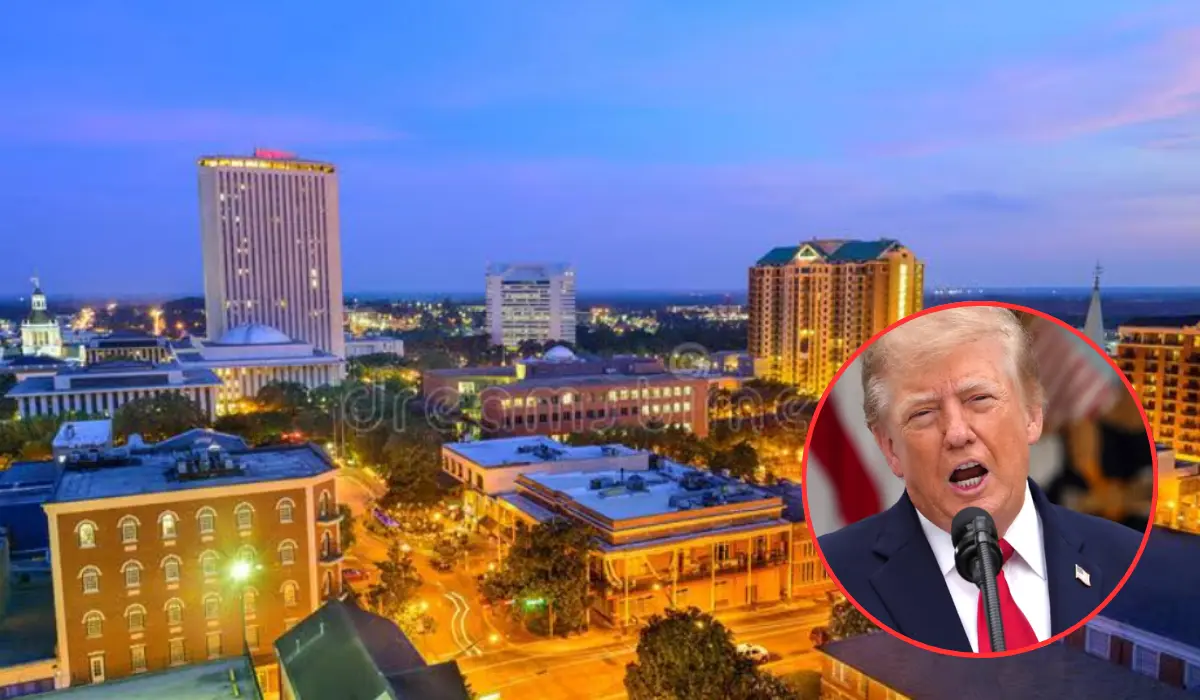
Tallahassee, Florida (Florida Report Daily) October 28, 2026 – Executive Summary: United States President Donald Trump has officially approved a Major Disaster Declaration for the state of Florida on Tuesday in response to the widespread destruction caused by Hurricane Isaias. The federal approval unlocks vital emergency funding and resources through the Federal Emergency Management Agency (FEMA) to aid state and local disaster recovery operations. The announcement was confirmed by Congressman Jimmy Patronis, who highlighted that the presidential declaration will accelerate financial relief and structural assistance across affected Florida counties.
What Has President Trump Approved for Florida?
As reported by Jacob Ogles of Florida Politics, President Donald Trump signed the official Major Disaster Declaration on Tuesday, granting Florida direct access to federal emergency recovery funds following the impacts of Hurricane Isaias. The executive action authorises the Federal Emergency Management Agency (FEMA) to deploy personnel, financial assistance, and operational resources to support municipal governments and state-led recovery programs.
As detailed in statements released by United States Congressman Jimmy Patronis of Florida’s 2nd Congressional District, the presidential approval ensures that both public infrastructure repair and emergency protective measures receive substantial federal backing. Congressman Patronis shared the update via official communication channels, expressing gratitude for the prompt executive intervention aimed at alleviating financial and structural strains on impacted Florida communities.
What Specific Federal Aid Does the Disaster Declaration Release?
As outlined by official updates from Representative Jimmy Patronis’s office, the Major Disaster Declaration releases federal funding across key assistance programs managed by FEMA. The aid allocation covers direct Public Assistance funding, allowing state, tribal, and local governments—as well as select private non-profit organisations—to claim reimbursement for emergency protective work, debris clearing, and the repair or replacement of storm-damaged public infrastructure.
Furthermore, as noted in reports by Florida Politics reporter Jacob Ogles, the declaration facilitates access to individual recovery resources, encouraging storm-impacted homeowners to navigate FEMA assistance programs alongside state-level support mechanisms. Congressman Patronis emphasised that his congressional team is actively coordinating with local officials and Florida Chief Financial Officer Blaise Ingoglia to establish resource hubs and insurance assistance sites across the most severely affected regions, particularly within the Florida Panhandle.
Background of the Particular Development
Hurricane Isaias made landfall and swept through regions of Florida, leaving severe structural damage, utility disruptions, and localized flooding in its wake. In the immediate aftermath, state emergency management officials initiated comprehensive damage assessments across dozens of counties to establish whether local and state resources were sufficient to manage the scope of recovery.
Under statutory disaster response frameworks, the Governor of Florida submitted an official request for a presidential Major Disaster Declaration after preliminary damage evaluations confirmed that the operational and financial demands exceeded the state’s standalone capacity. Prior to the Major Disaster approval, federal emergency support was restricted to initial protective measures. The subsequent approval on Tuesday by President Trump marks the formal escalation to full major disaster status, unlocking the highest tier of federal administrative and financial intervention available under the Stafford Act.
Prediction: How Will This Development Affect Floridians and Local Communities?
The approval of the Major Disaster Declaration is projected to significantly alter the recovery trajectory for homeowners, small business owners, and municipal bodies throughout the designated Florida counties.
For individual residents and homeowners, the declaration creates a direct administrative pathway to apply for federal grants covering temporary housing assistance, essential home repair costs, and uninsured personal property losses through FEMA. This financial cushion will prove crucial in mitigating immediate housing displacement and reducing out-of-pocket recovery expenses for families.
For local municipal authorities, the approval shifts the immediate financial burden of disaster response off strained city and county budgets. Local governments can now proceed with costly recovery projects, such as major road clearance, utility restoration, and public facility repairs, with the assurance that up to 75 percent or more of eligible expenditures will be reimbursed through federal funds.
Additionally, regional businesses and agricultural operations stand to benefit from streamlined access to low-interest disaster loans provided via the U.S. Small Business Administration (SBA), alongside tax relief measures and state emergency bridge loan programs. In the long term, the federal backing is expected to prevent localized economic stagnation, expedite the restoration of essential public services, and provide stability to Florida’s insurance and real estate sectors during the post-storm rebuilding phase.